
The ROI of Stepping Away From Screens
•
3 Minute Read

Jani
Culture
In the tech world, there is a common misconception that high performance requires 24/7 desk time. At Byte Orbit, we have found the opposite to be true. Our culture is built on the understanding that peak productivity is a result of intentional recovery: ranging from a five minute micro-break to a sunrise morning hike. Whether it is grabbing a quick coffee from our in-house station or walking to a local shop for a change of pace, these moments are not just about wellness; they are a strategic investment in the quality of the products we build.
1. Disrupting Cognitive Tunnelling
Grinding away at an intricate problem for hours often leads to cognitive tunnelling, where the solution remains just out of reach because you are too close to the code (Kim, Park and Niu, 2022). To solve these complex problems, the brain requires a state of incubation. This is best achieved through what Brené Brown (2025) describes as "formulaic, low cognitive lift activities".
These are simply repetitive, predictable tasks that do not require deep focus.This explains why reading a familiar or non-complex book or having a casual conversation with a colleague feels so restorative. The key here is balance. If a break is too complex, it continues to drain your energy. However, if the activity or the information being processed is familiar and easy, it occupies your thoughts just enough to quiet the mental noise. This allows your subconscious to work in the background to connect the dots and spark creative breakthroughs while you rest.
It is worth noting that a break does not need to be long to be valuable. Even a five-minute micro-break can significantly reduce fatigue and restore vigour (Kim, Park and Niu, 2022). Simple, daily rituals, such as getting up from your desk to grab a beverage or sitting with colleagues during lunch, play a massive role in maintaining mental agility. By stepping away from the desk, we give the mind the freedom to resolve issues without the distraction of constant data.
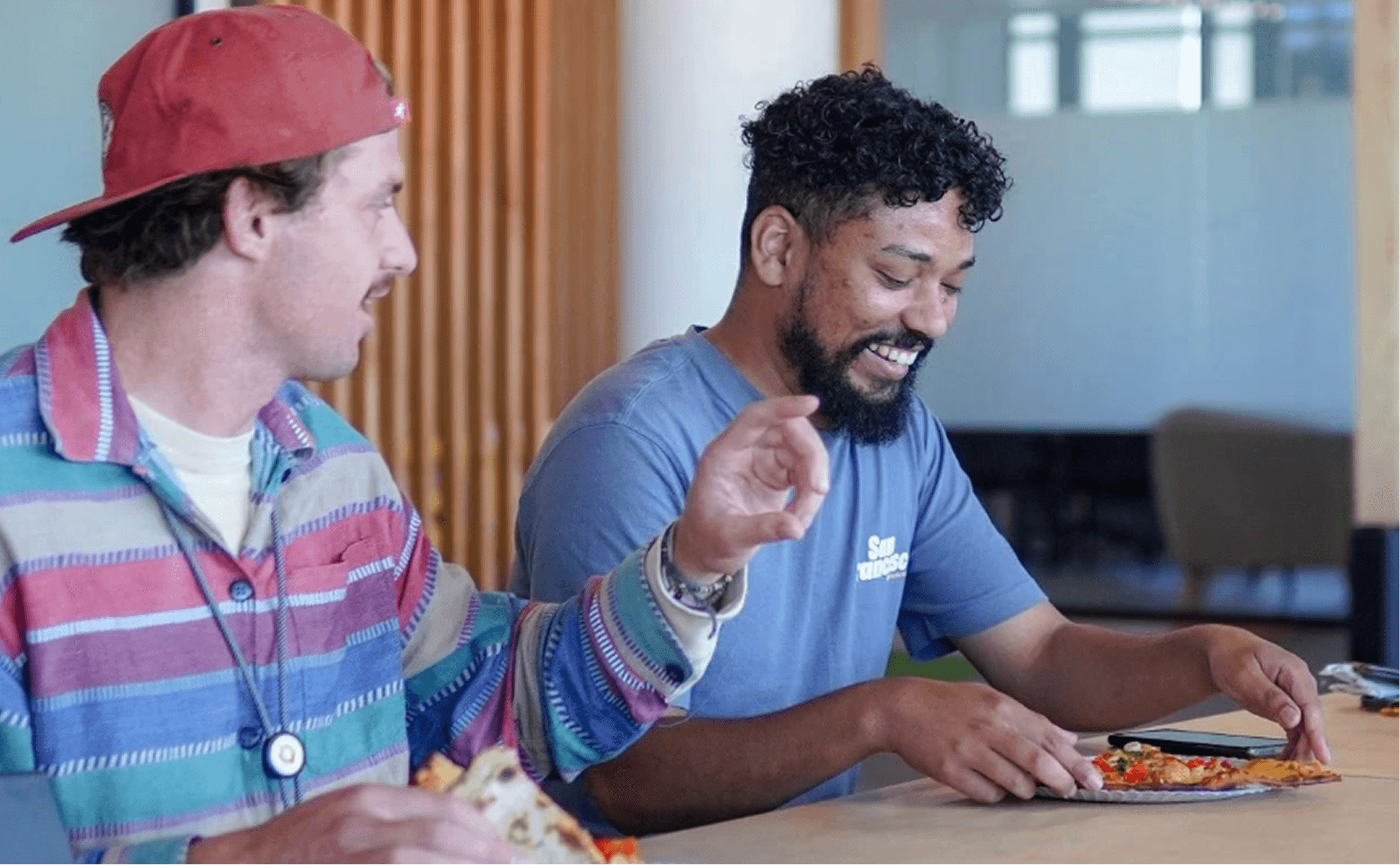
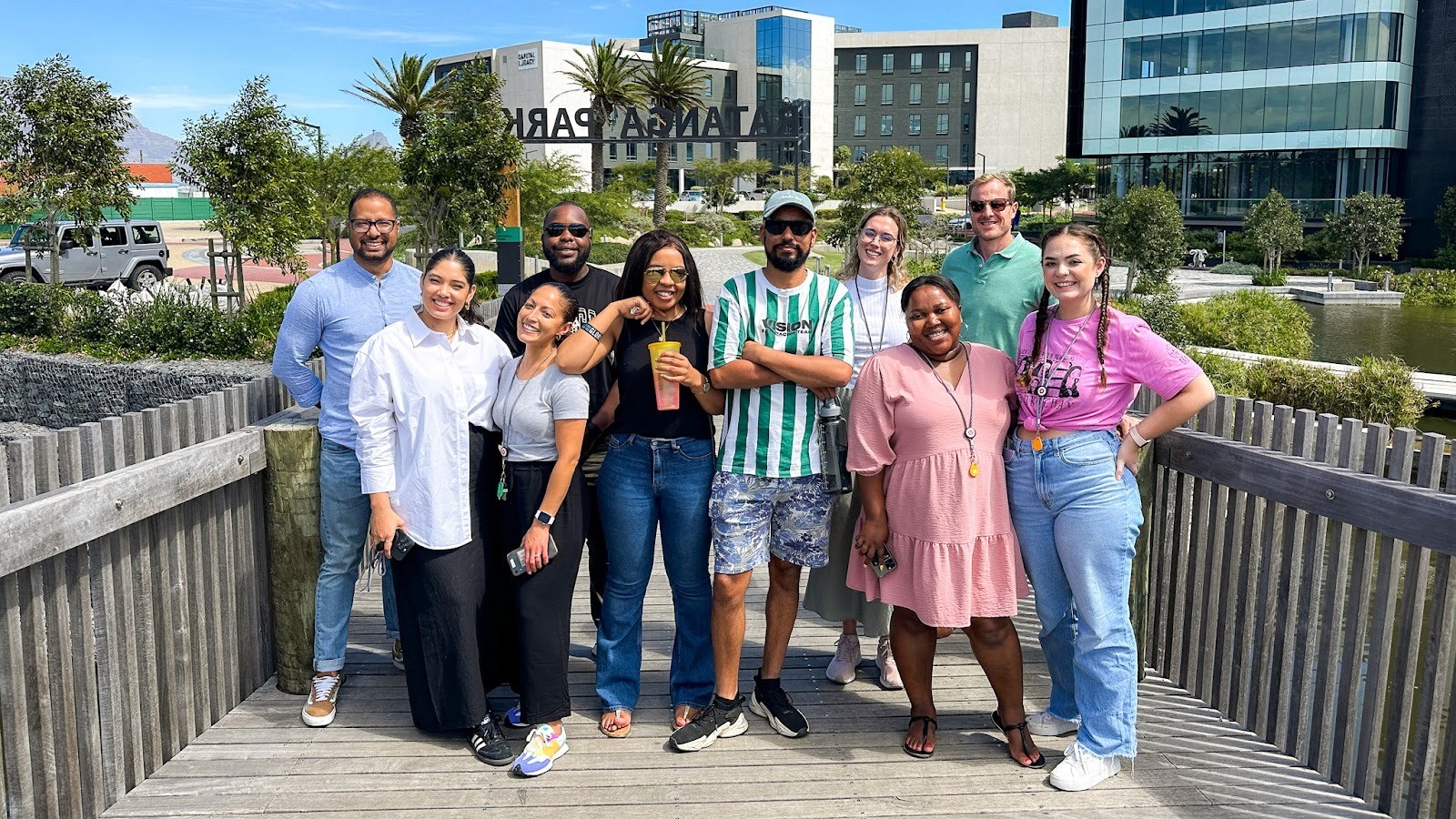
If you want to go even further, it helps to get moving. Research actually shows that getting active is a much better reset than just swopping your desk chair for a seat at the lunch table (Khan et al., 2022). Whether it is a quick run before or after work, or perhaps a midday stroll through Ratanga Park, the movement matters. Even a brief, low-intensity walk of just three or four minutes is enough to lift your mood and spark fresh perspectives and new, imaginative ways of looking at a problem (Davis, 2025). It does not need to be strenuous to be effective; simply getting the blood flowing helps you shake off the mental fog so you can come back to the code, design, and lead with a clear head.
2. Engineering Psychological Safety
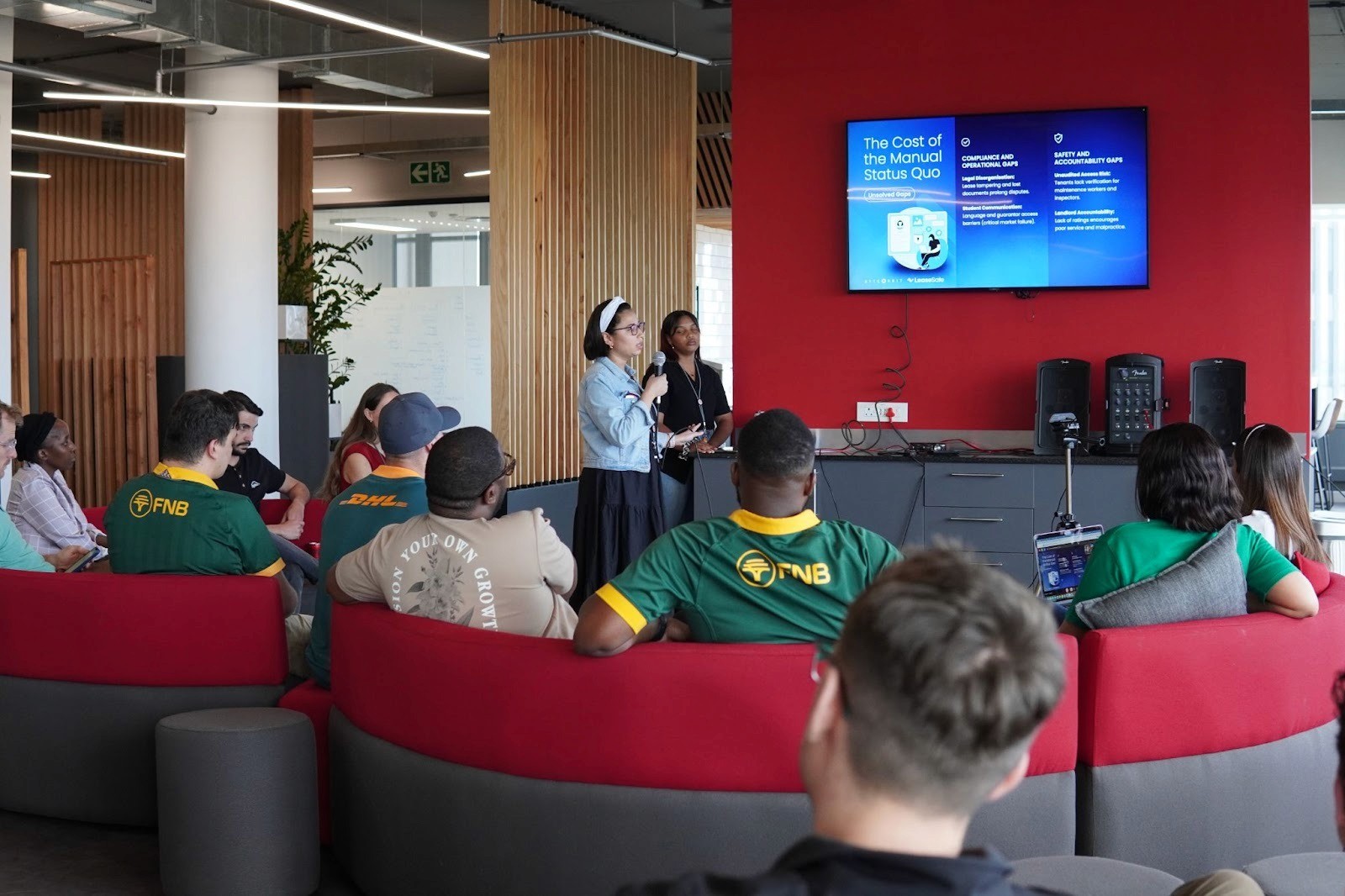
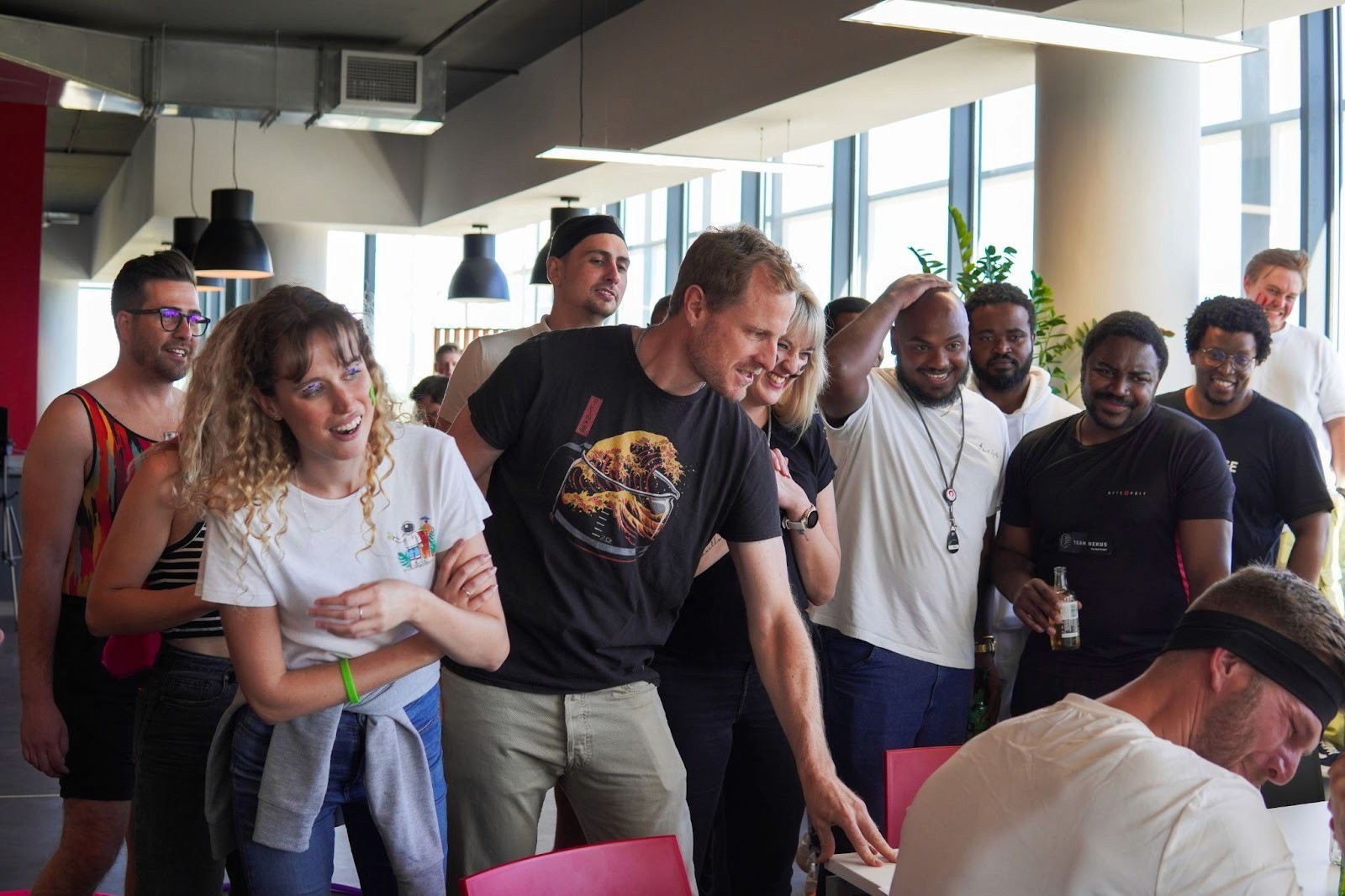
Innovation does not happen in a vacuum, and it certainly does not happen in silos. Our innovation chats, year-end functions, football matches, and shared Friday drinks after standup provide the social glue that connects our various departments. These moments allow us to connect with colleagues we might not encounter during a typical sprint, offering a broader view of how the entire organisation operates. It fosters a genuine respect for the specialised work happening across every role.
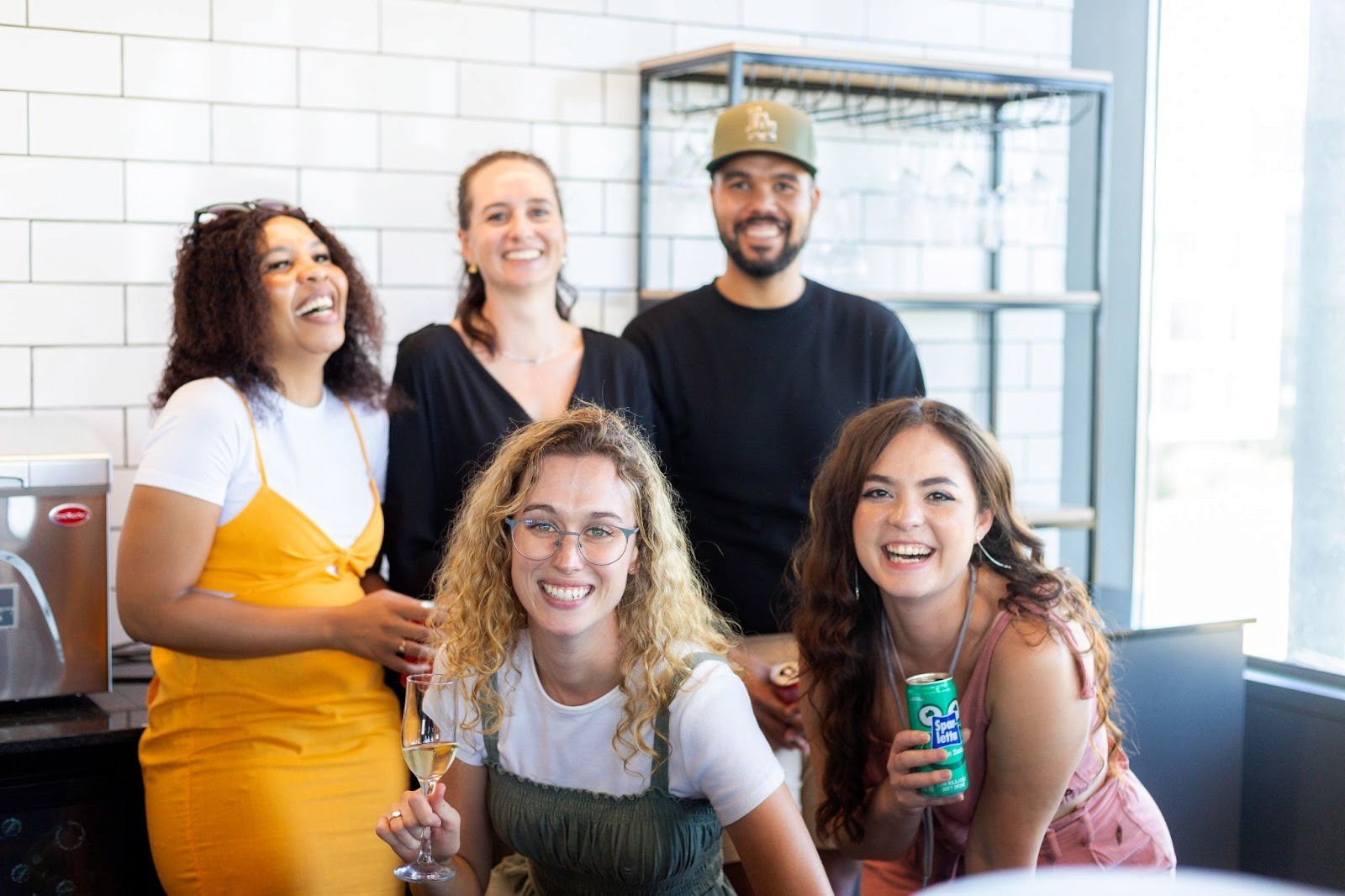
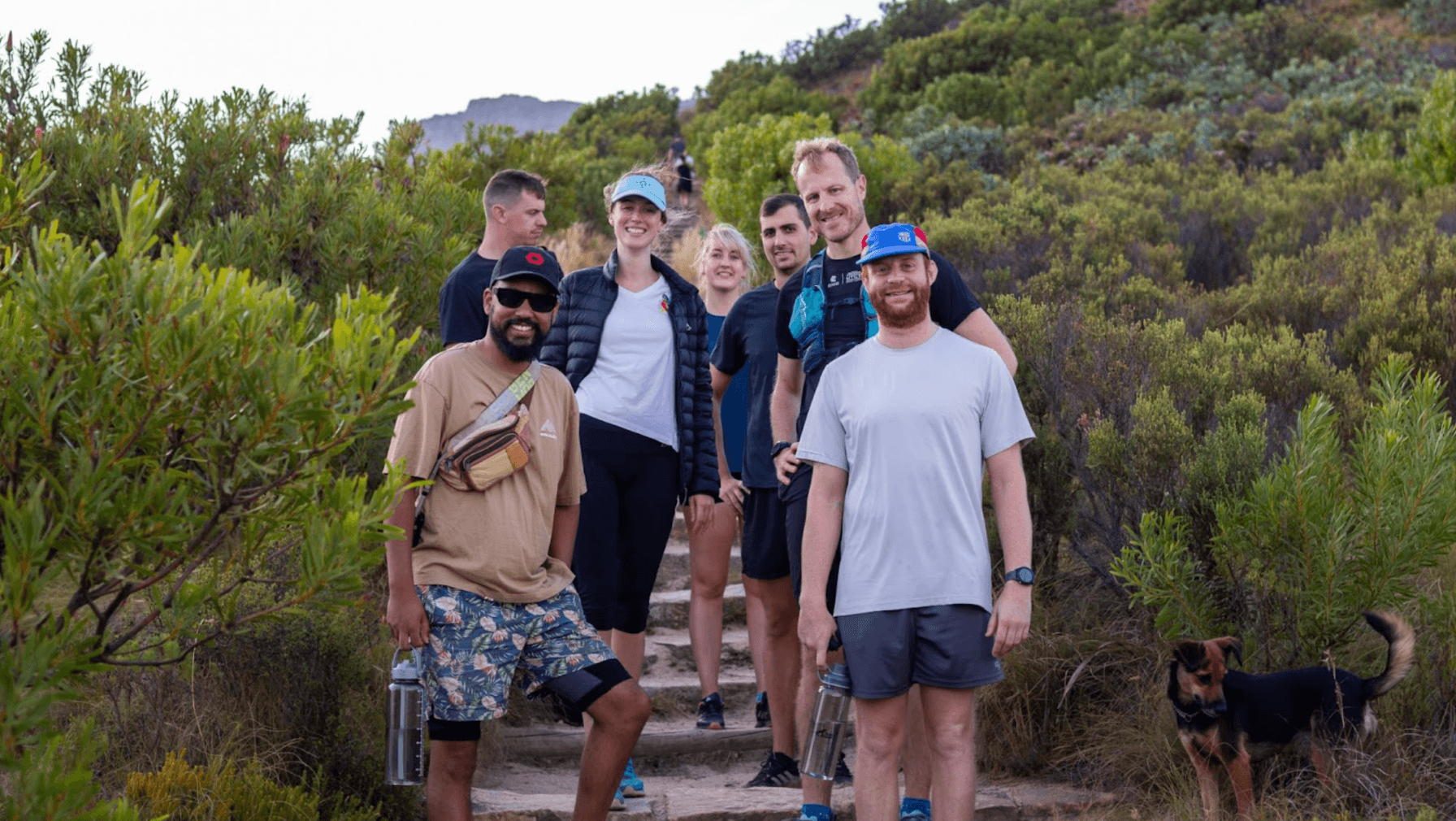
Furthermore, when developers, designers, and project managers summit a trail together or compete against one another in the Office Olympics, they build a foundation of trust that reflects directly in their work. This camaraderie creates a culture of psychological safety. It is much easier to provide honest feedback during a code review, or pitch bold design ideas, when you have built a genuine connection with your teammate. By prioritising these bonds, we foster inter-departmental synergy and transform the office into a space of true belonging.
The Bottom Line
High-quality code and intuitive design are rarely produced by burnt-out teams. By encouraging our people to recharge away from their screens and connect as a community, we do more than just prevent fatigue. We are fostering a culture of mutual respect and shared purpose.
Such a foundation allows the entire team to collaborate with total transparency, ensuring our solutions are always intentional and future-proof. These shared experiences provide necessary cognitive breaks and build the trust needed for open dialogue and meaningful connection. We believe that a fulfilling career is built on more than just code: it is about the community we grow and the inspired work we produce together. At Byte Orbit, we do not just build products: we fuel the people who create them.
References
Brown, B. (2025) Strong Ground: The Lessons of Daring Leadership, the Tenacity of Paradox, and the Wisdom of the Human Spirit. New York: Random House.
Davis, J. (2025) ‘What Research Says About the Benefits of Walking at Work’, Psychology Today. Available at: https://www.psychologytoday.com/za/blog/tracking-wonder/202506/what-research-says-about-the-benefits-of-walking-at-work (Accessed: 21 January 2026).
Khan, M., Patel, Z., Wantlin, K., Glassman, E. and Maes, P. (2022) Changing computer-usage behaviours: what users want, use, and experience. arXiv preprint arXiv:2201.00303, submitted 2 January 2022. Available at: https://arxiv.org/abs/2201.00303 (Accessed: 29 December 2025).
Kim, S., Park, Y. and Niu, Q. (2022) ‘Micro-break activities at work to recover from daily work demands’, Journal of Occupational Health Psychology, 27(4), pp. 431–445. Available at:https://pmc.ncbi.nlm.nih.gov/articles/PMC9432722/ (Accessed: 29 December 2025).
Articles
Some interesting reads
Culture
Design
Pro Tips
Software Development
Technology
Updates
UX Design